Alcohol affects the teen brain with both in the short term – with such issues as decision making and the ability to recognize risky or dangerous behavior – and long term – with normal, healthy brain development, creating learning and information processing difficulty.
On the average, alcohol is involved in the deaths of 4,258 young people under the age of 21 each year.
Use of alcohol during the teen years increases the likelihood of addiction issues as an adult.
The amount of THC in marijuana has increased over the years. From just under 4% in the early 1990’s to nearly 10% by 2013. THC levels have continued to grow. Level in extracts, such as oils and waxes are very high.
THC can remain in the body’s system for days after use, impacting decision making, concentration and memory, especially in regular users.
The impacts of early marijuana use may continue throughout adulthood, even if no longer using.
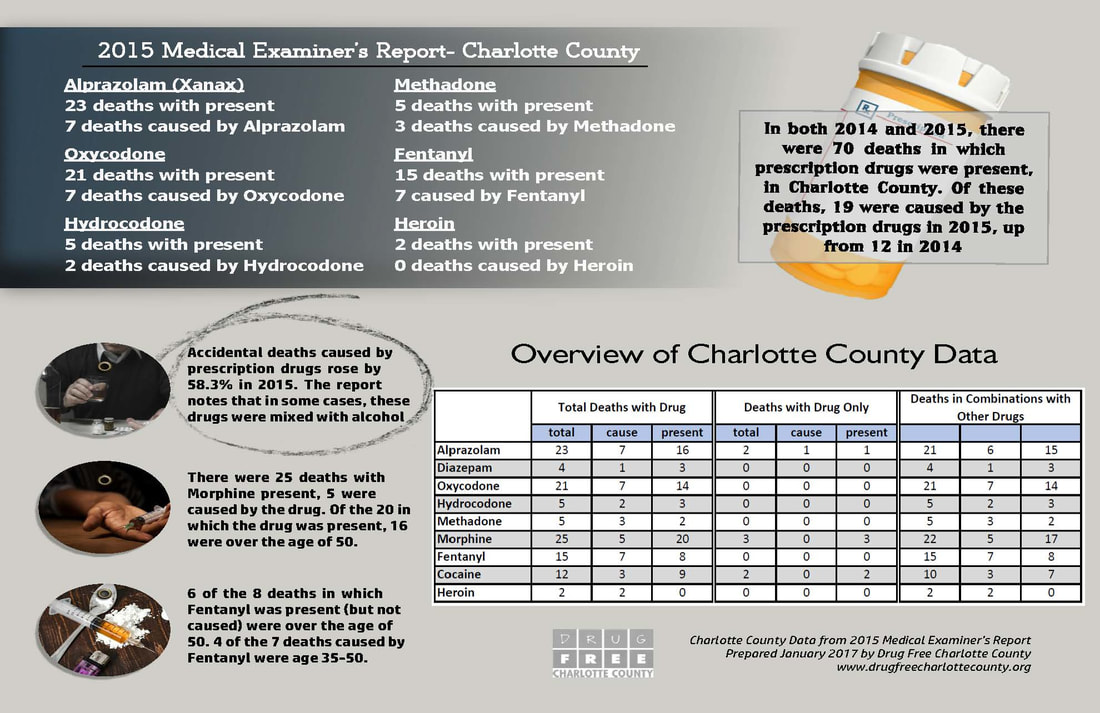
Prescription drugs are manufactured and prescribed according to strict guidelines from the FDA, backed by research. Use outside of these parameters is very risky and can lead to serious harmful effects. This is why no one should ever use a prescription outside of a physician’s recommendation and monitoring.
Over the counter (OTC) drugs can also have harmful affects when not used in accordance with directions. There can also be complications with if OTC medications are used with other medications and even herbal substances.
E-cigarettes, or vaping devices, still contain nicotine in most cases, in addition to other harmful chemicals
The “vapor” is not a cloud of water-based vapor. It is actually an aerosol cloud of chemicals discharged from the device
These devices are not approved by the U.S. Food and Drug Administration (FDA) as a cessation tool. Additionally, there is very limited safety standards regulation and oversight in advertising – such as claims to be risk-free and use of flavorings appealing to children, teens and young adults.
28,600 adults in Florida die from smoking (443,000 deaths a year nationwide) every year
For every person who dies, another 20 suffer from one or more serious illnesses from smoking
Smoking can cause cancer almost anywhere in your body including cancers of the lung, mouth, nose, throat, larynx (voice box), trachea (wind pipe), esophagus, kidney, ureteral, bladder, cervical, bone marrow and blood
Smokeless users have an 80 percent higher risk of oral cancer and a 60 percent higher risk of pancreatic and esophageal cancer
Tobacco Free Florida offers 3 Ways to Quit. For more information on these free and convenient resources, visit Tobacco Free Florida